




Power Generation Spray Nozzles Manufacturer
We deliver engineered spray nozzle systems for the power generation industry. Our nozzles provide reliable performance in cooling tower operations, flue gas desulfurization, turbine compressor washing, condenser cleaning, and fire protection systems for coal-fired, natural gas, nuclear, and renewable energy power plants.
Industry Overview
The power generation industry demands robust spray technology for efficient and environmentally compliant operations. Modern power plants face challenges including maximizing cooling tower efficiency, meeting stringent emissions standards, maintaining turbine performance, and ensuring reliable fire protection systems.
Spray nozzles are essential in cooling towers for heat rejection and plume abatement, flue gas desulfurization systems for SO2 removal, turbine compressor washing for performance restoration, ash handling systems for dust suppression and sluicing, and fire protection for critical equipment including transformers, cable galleries, and turbine halls.
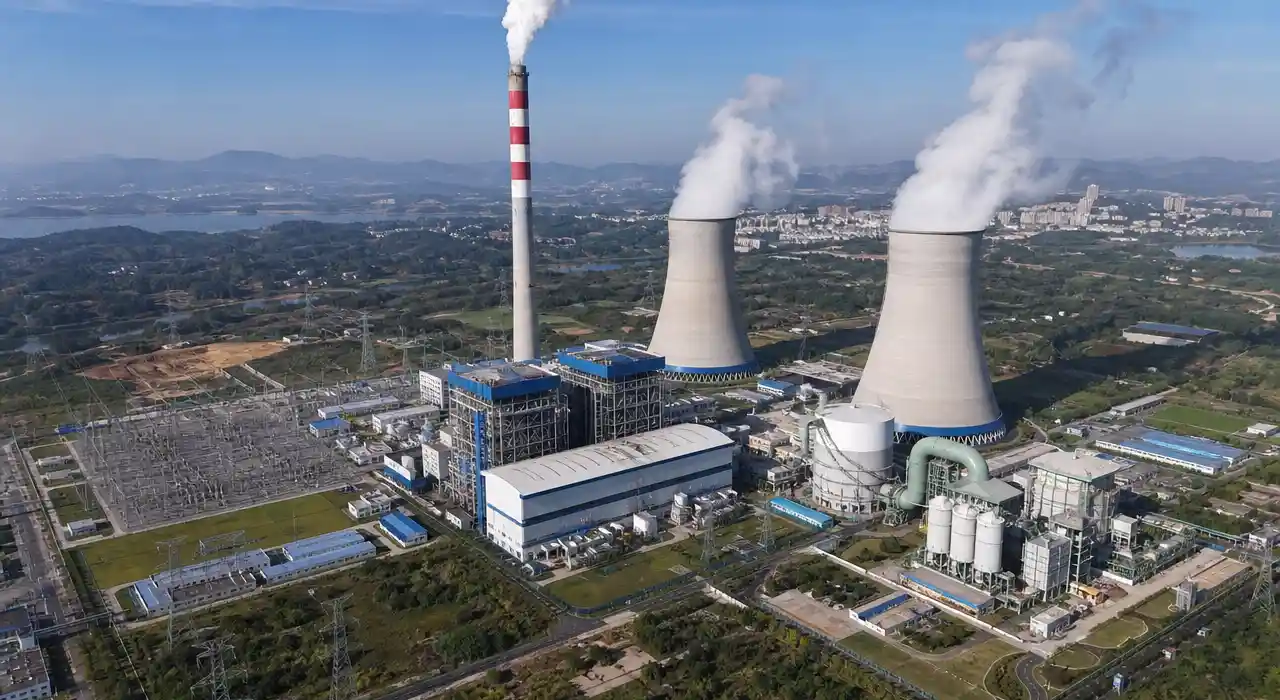
Power Plant Operations
Boiler Operations
Soot Blowing, Ash Handling
Flue Gas Desulfurization
SO2 Scrubbing, Limestone Slurry
Cooling Tower
Heat Rejection, Plume Control
Turbine Washing
Compressor Cleaning
Condenser Cleaning
Tube Cleaning, Biofouling Control
Fire Protection
Transformer Deluge, Water Spray
Power Generation Challenges & Solutions
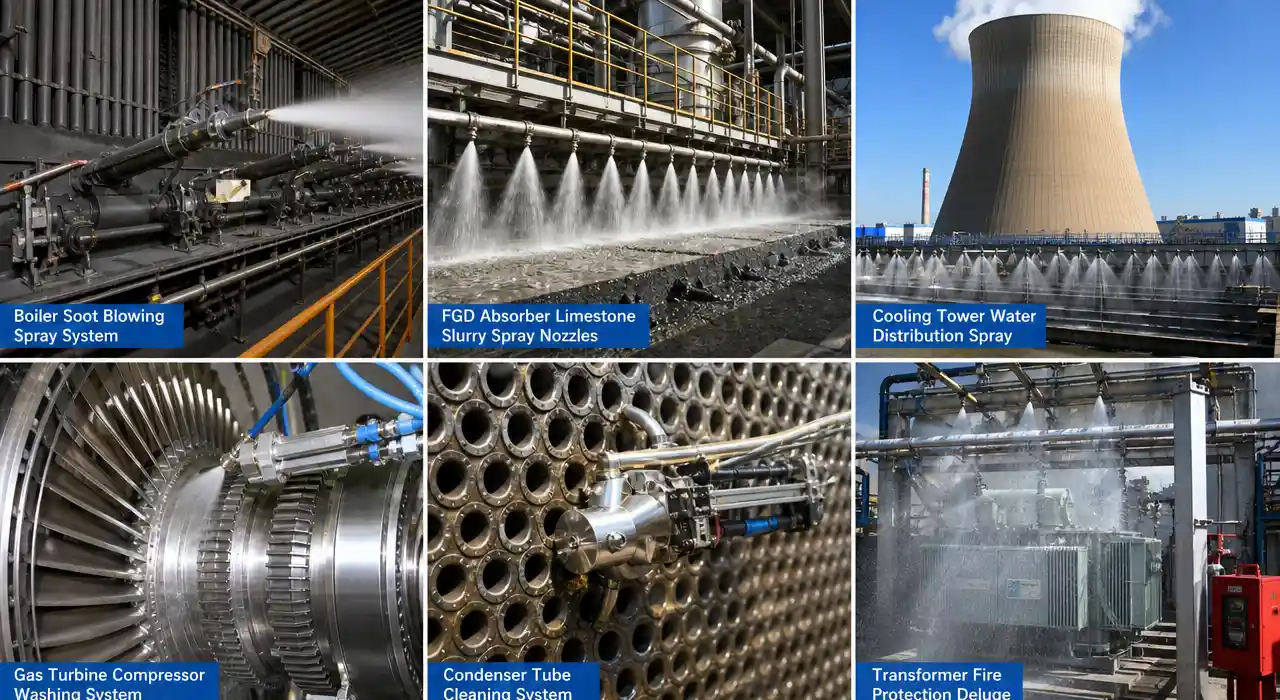
Maximizing Cooling Tower Efficiency
ChallengeCooling tower thermal performance directly affects plant output and fuel efficiency. Poor spray distribution causes uneven water loading on fill creating dry spots with reduced heat transfer. Nozzle clogging from scale, algae, or debris degrades performance requiring frequent basin shutdowns for cleaning. Inefficient towers increase makeup water consumption and drift losses carrying water and chemicals off-site.
SolutionOur cooling tower spray nozzles deliver uniform water distribution preventing fill dry spots and channeling, resist clogging through large free passages (12-25mm) and self-cleaning designs, maintain consistent flow rates as pressure varies through pressure-compensating orifices, and minimize drift generation with optimized droplet sizes of 2-5mm. Materials including PP, ABS, and 304SS provide corrosion resistance in water treatment chemical environments. Typical efficiency improvements of 3-8% increase plant output while reducing makeup water consumption by 10-20%.
View Cooling Solutions →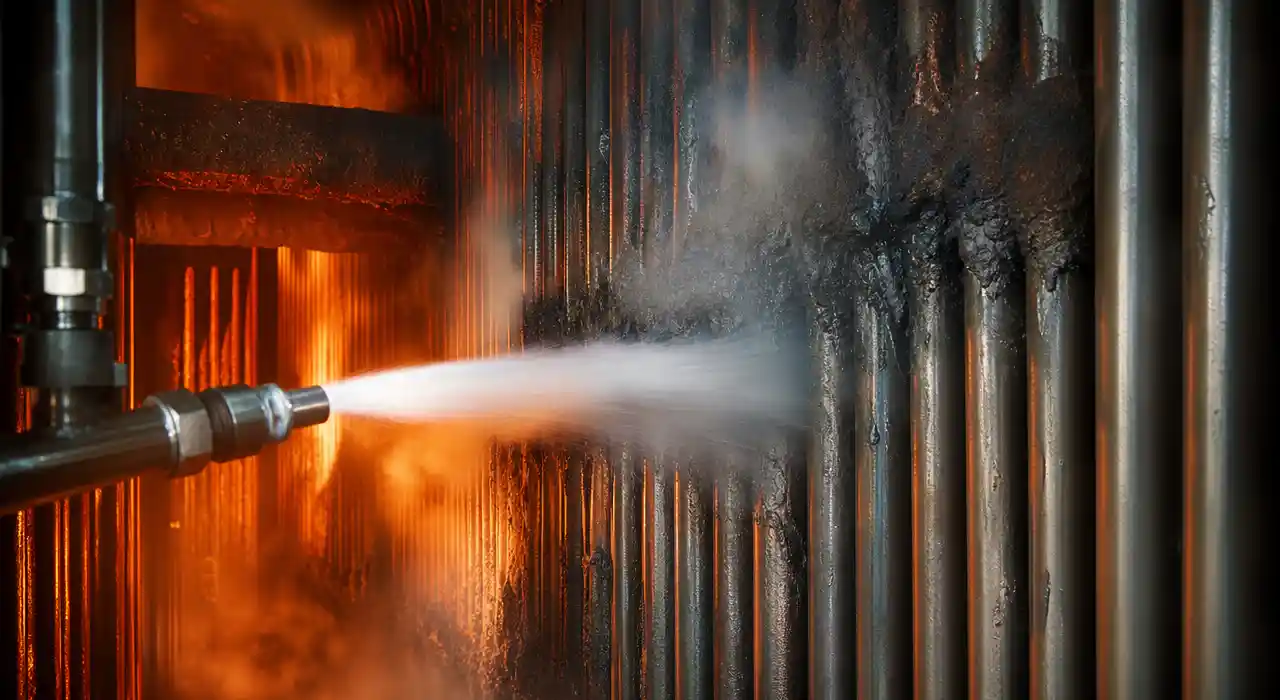
Achieving FGD SO2 Removal Targets
ChallengeEnvironmental regulations require coal plants to remove 95-98% of sulfur dioxide from flue gases. Inadequate spray coverage allows SO2 slip degrading compliance and generating emissions penalties. Poor limestone slurry atomization creates large droplets with insufficient surface area reducing absorption kinetics. Nozzle erosion from abrasive slurry particles enlarges orifices degrading spray patterns and increasing pressure drop within months.
SolutionOur FGD spray nozzles deliver wide-angle hollow cone patterns (90-120°) providing complete absorber cross-section coverage, create optimized droplet sizes of 1-3mm balancing surface area with drift prevention, feature tangential spiral flow generating rotational momentum for uniform distribution, and use silicon carbide or specialized alloy construction resisting slurry erosion providing 5-10x service life versus standard nozzles. CFD-validated nozzle arrangements ensure overlap preventing gas bypass channels.
View Gas Treatment Solutions →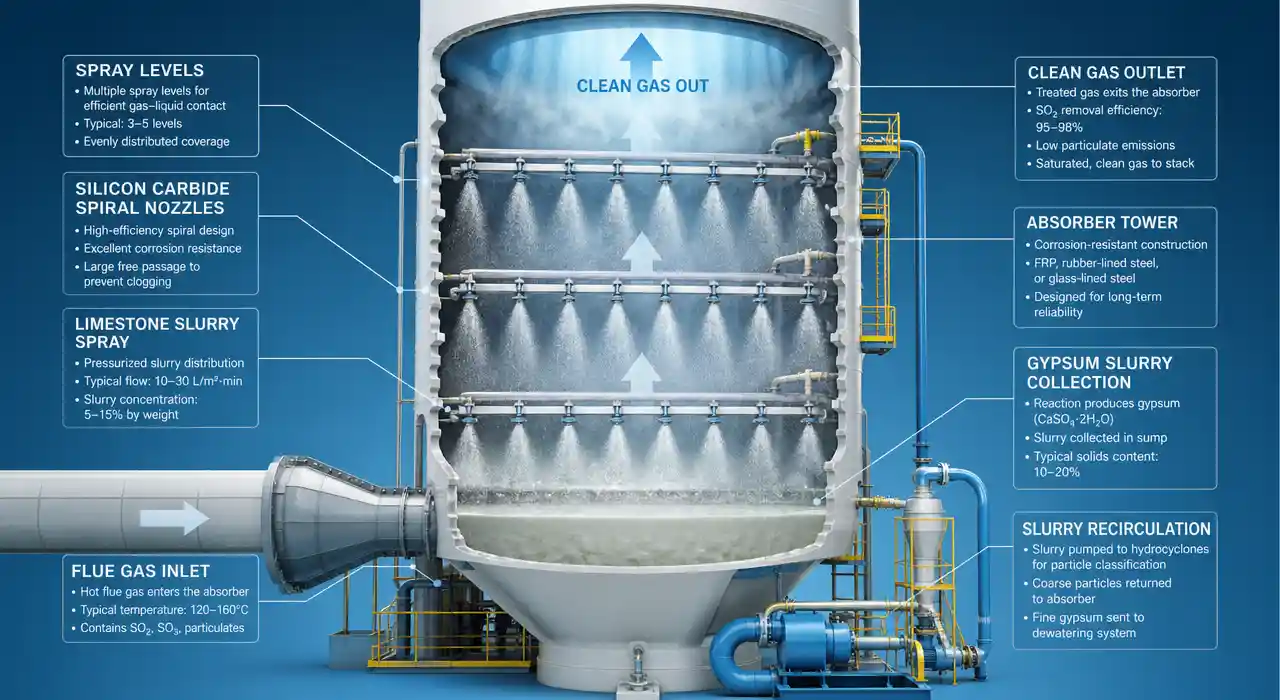
Restoring Gas Turbine Performance
ChallengeGas turbine compressor fouling from airborne particulates, salts, and hydrocarbons reduces power output by 2-8% and heat rate by 1-4% within weeks of operation. Production losses and fuel penalties cost $50,000-500,000 annually per turbine. Manual offline washing requires 24-48 hour outages. Incomplete cleaning leaves deposits causing accelerated fouling and compressor blade corrosion.
SolutionOur turbine washing nozzles provide online injection systems enabling cleaning during base load operation without shutdown, deliver atomized droplets of 50-200 microns reaching compressor blade surfaces, feature automated control preventing compressor surge and flame-out during washing, and use demineralized water or specialized detergents dissolving salt and hydrocarbon deposits. Offline washing systems with higher flow rates and longer duration remove stubborn deposits between maintenance intervals. Typical performance restoration of 80-95% of lost output with monthly online washing or quarterly offline washing.
View Cleaning & Washing Solutions →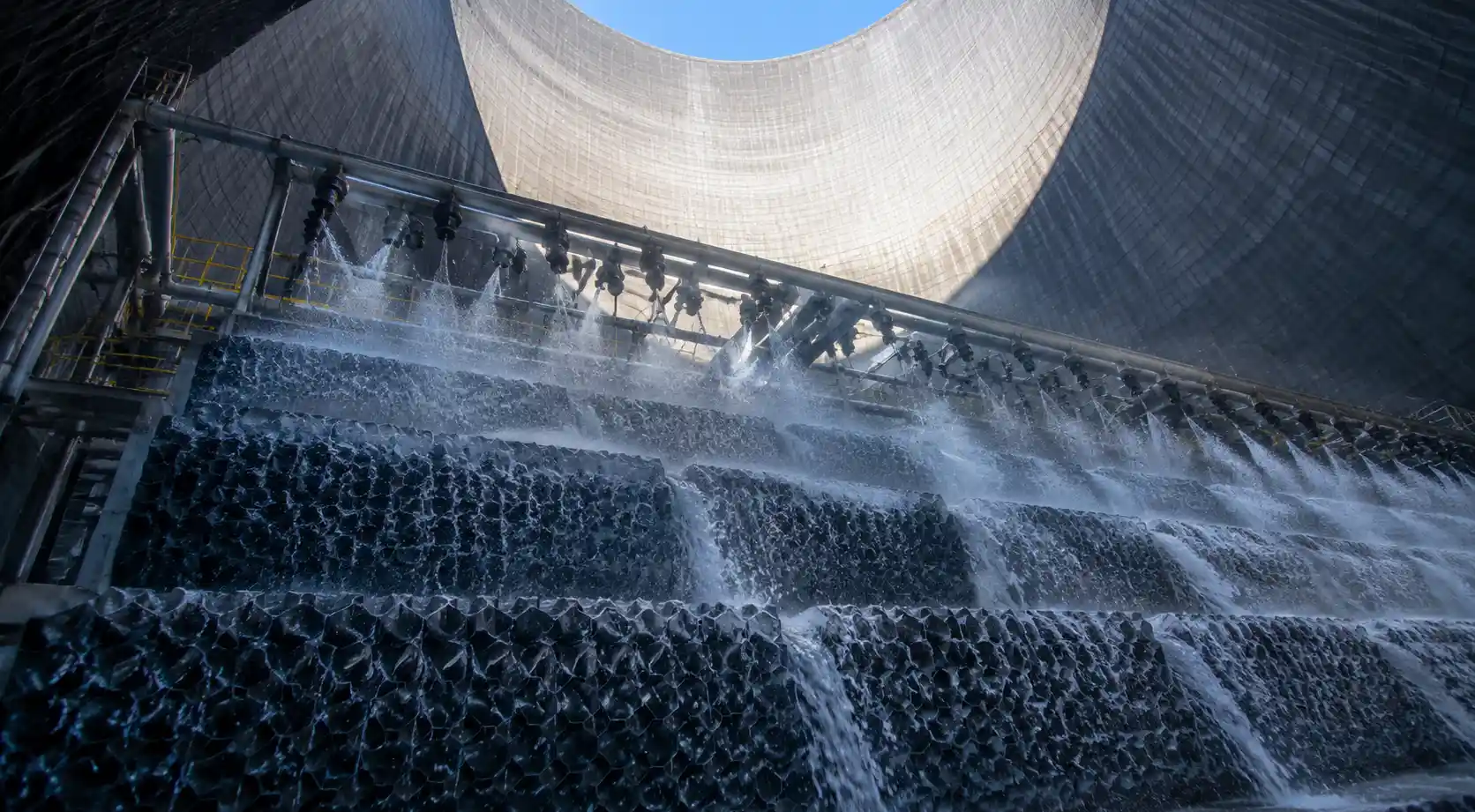
Preventing FGD Nozzle Erosion
ChallengeFGD limestone slurry contains abrasive calcium carbonate and gypsum particles causing rapid nozzle wear. Standard stainless steel nozzles erode within 3-12 months requiring replacement. Nozzle failures during operation force absorber derate or shutdown for repairs. Large plants with 500-2000 nozzles face maintenance costs of $100,000-500,000 annually plus production losses during outages.
SolutionOur wear-resistant FGD nozzles use silicon carbide inserts providing 5-10x service life versus 316SS construction, feature replaceable orifice designs enabling wear element replacement without complete nozzle replacement, incorporate streamlined internal flow paths minimizing turbulence and erosion, and provide quick-disconnect mounting enabling replacement during planned outages without welding. Preventive nozzle inspection programs using flow testing identify worn nozzles before performance degradation. Typical maintenance cost reduction of 60-80% through extended service intervals and reduced outage frequency.
View Product Materials →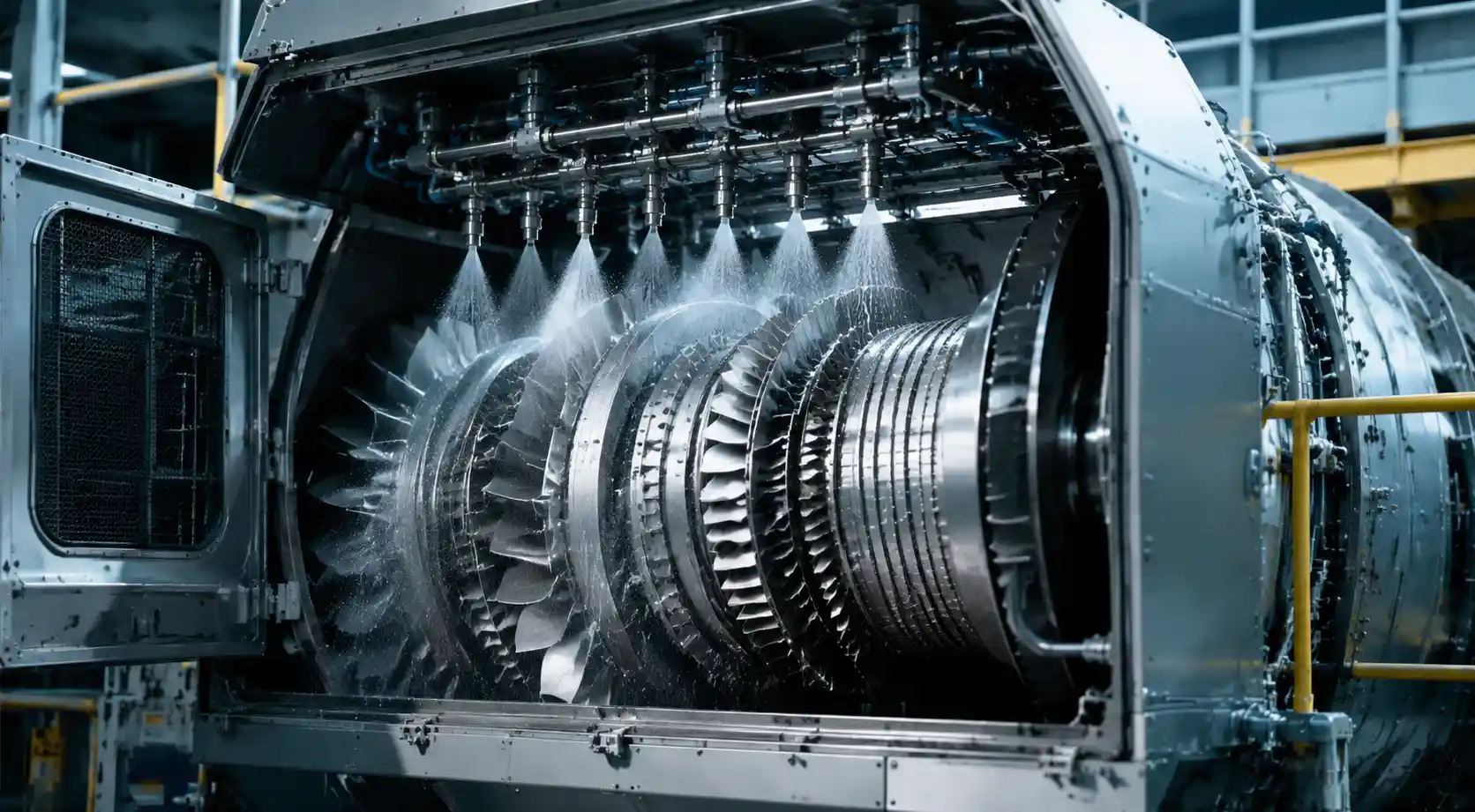
Ensuring Fire Protection System Reliability
ChallengePower plant fire protection systems must activate reliably after years of standby service protecting critical equipment valued at millions of dollars. Nozzle corrosion from stagnant water causes failures or degraded spray patterns. Clogging from scale, corrosion products, or microbiological growth blocks orifices preventing proper water distribution. System testing causes water damage to electrical equipment requiring extensive procedures.
SolutionOur fire protection spray nozzles feature corrosion-resistant materials including 316SS and bronze withstanding long-term water exposure, large orifice designs (6-25mm) resisting clogging from scale and debris, and mechanical integrity maintaining spray patterns after years of dormant service. Installation with automatic flushing systems and periodic flow testing ensures readiness. NFPA 15 and FM Global approved designs meet insurance and regulatory requirements. Quick-response characteristics provide rapid fire suppression protecting equipment before damage occurs.
View Fire Protection Solutions →Power Generation Application Example
500MW Coal Plant FGD System Nozzle Upgrade
Problem: A 500 MW coal-fired power plant experienced FGD system degradation with SO2 removal efficiency declining from 96% to 88% over 18 months of operation. Visual inspection revealed significant nozzle erosion with orifice enlargement of 30-50% and spray pattern deterioration. The plant faced emission compliance concerns and potential penalties. Standard 316 stainless steel nozzles required replacement every 12-18 months with maintenance costs exceeding $200,000 annually.
Solution: Replaced 800 absorber spray nozzles with silicon carbide insert designs providing superior abrasion resistance. Optimized spray angles and spacing using CFD analysis ensuring complete gas coverage. Implemented staggered nozzle replacement program replacing 25% of nozzles annually based on flow testing rather than calendar-based replacement. Added online nozzle performance monitoring detecting degradation before emissions impact.
Results:
- SO2 removal efficiency restored to 96-98% meeting permit requirements
- Nozzle service life extended from 12-18 months to 4-5 years reducing replacement frequency
- Annual maintenance cost reduced by 65-75% through extended intervals and reduced labor
- Limestone slurry consumption reduced by 8-12% through improved atomization efficiency
Why Choose Us for Power Generation Spray Systems
Industry Experience
High Temperature
Wear Resistant
Fire Protection
Recommended Nozzle Solutions
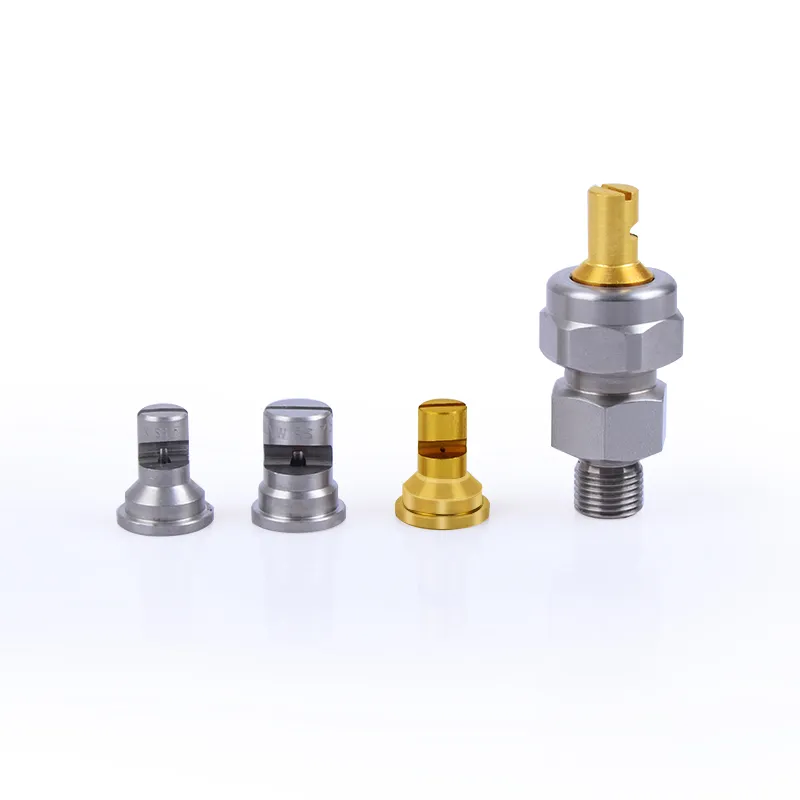
Silicon Carbide Spiral Nozzle
Application: FGD absorbers, abrasive slurry service, long-life applications
View Details →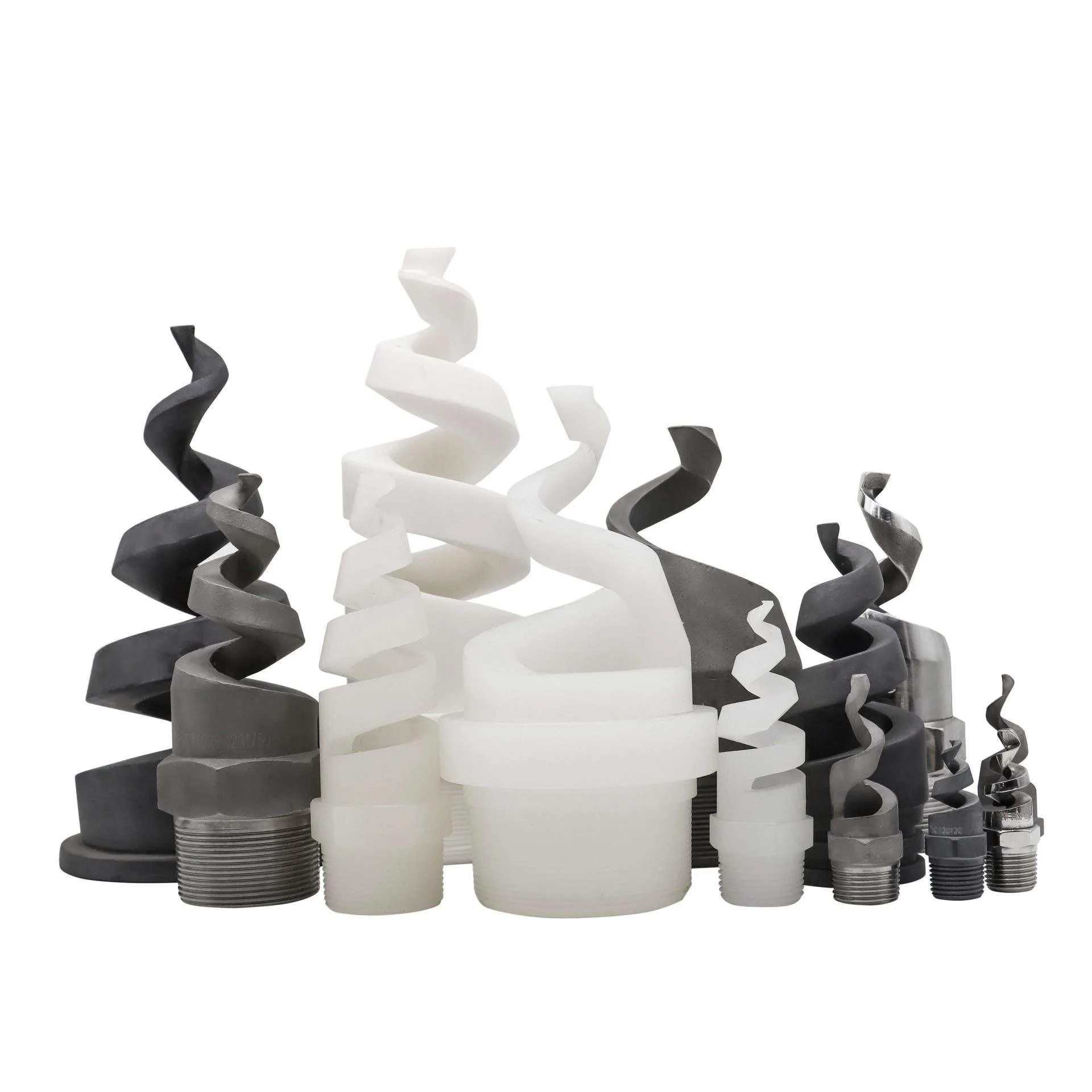
SPJT-SS-120 Spiral Nozzle
Application: Cooling towers, FGD systems, large-scale spray
View Details →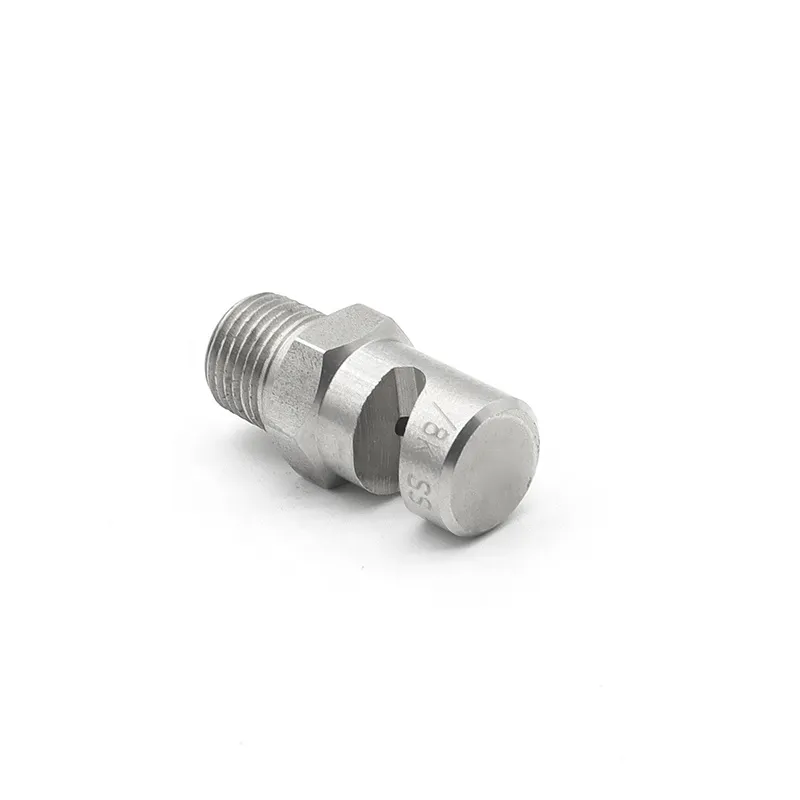
BB Series Full Cone Nozzle
Application: Cooling towers, fire protection, general plant use
View Details →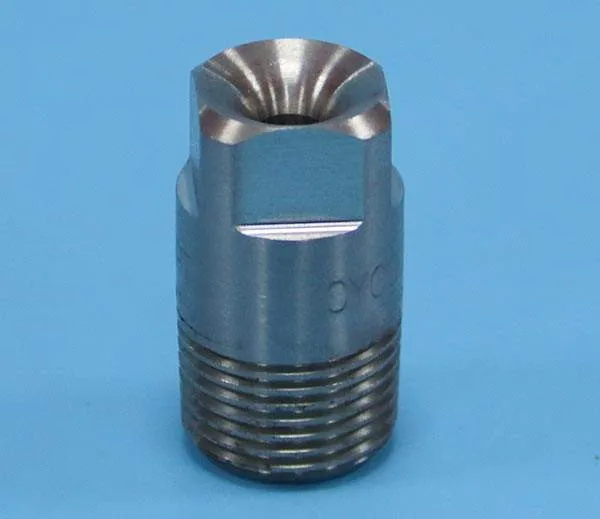
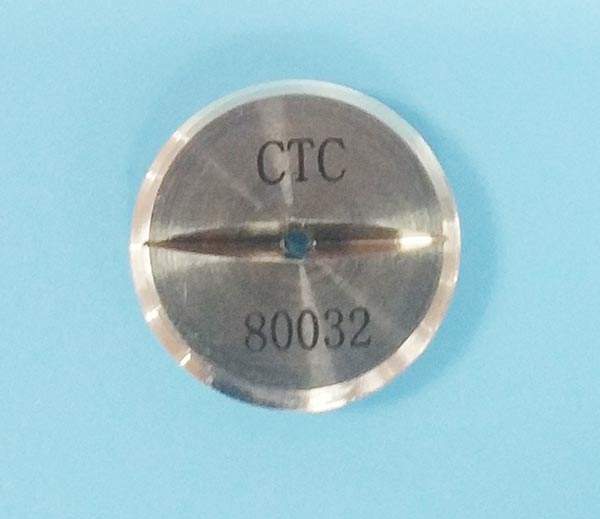
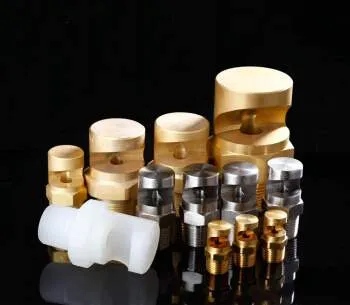
WC001 Wide Angle Fan Spray Nozzle
Application: Fire protection deluge, equipment cooling, wash-down
View Details →Frequently Asked Questions
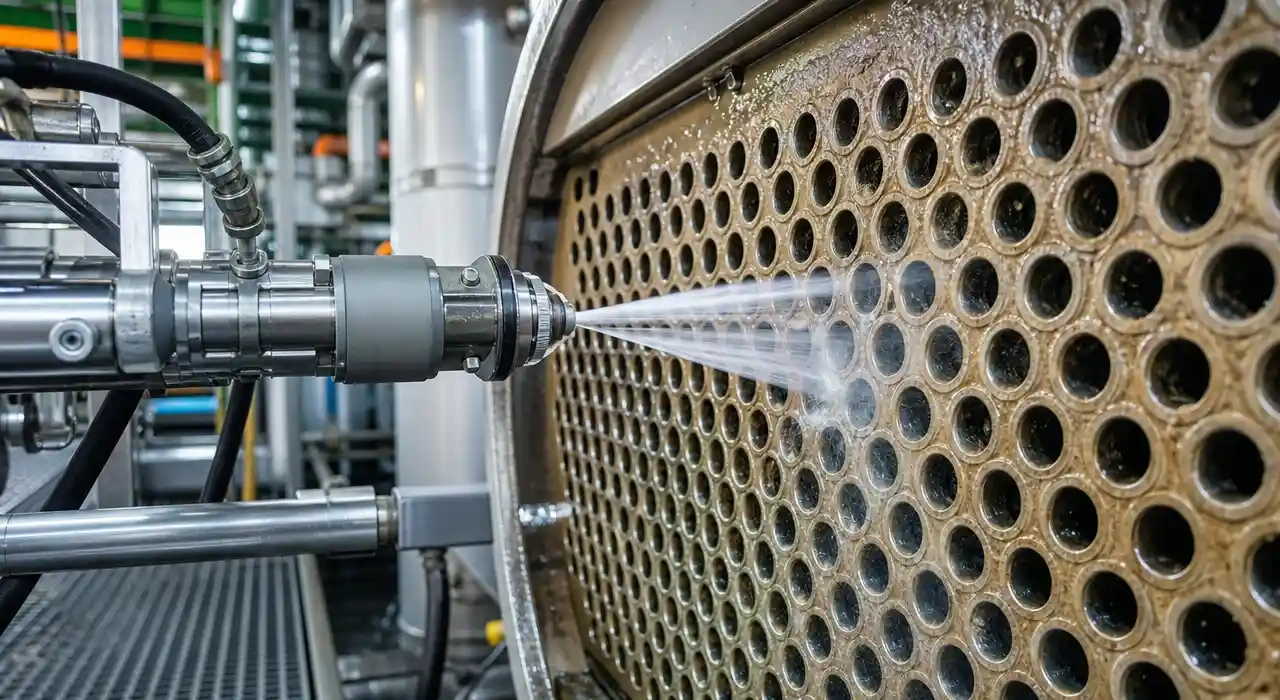
Power plants use specialized nozzles across multiple systems. Cooling towers require hollow cone or spiral nozzles distributing water uniformly across fill media with flow rates of 5-50 L/min per nozzle and PP or ABS construction resisting cooling tower chemicals. FGD absorbers use wide-angle hollow cone nozzles creating 1-3mm droplets for SO2 absorption with silicon carbide construction resisting limestone slurry erosion. Gas turbine washing employs fine atomizing nozzles producing 50-200 micron droplets penetrating compressor blade passages with 316SS construction and automated control integration. Condenser cleaning requires high-pressure flat fan nozzles at 100-200 bar removing tube fouling. Fire protection systems use wide-angle spray nozzles delivering 200-2000 L/min for equipment deluge meeting NFPA 15 standards. Coal ash handling employs full cone nozzles for dust suppression and sluicing with abrasion-resistant materials. Each application demands specific spray characteristics, flow capacities, and material compatibility for reliable long-term operation.
Yes, we specialize in FGD spray nozzles engineered for coal plant SO2 scrubbing systems. Our nozzles feature silicon carbide or specialized alloy construction providing 5-10x wear life versus standard 316SS in abrasive limestone slurry service. Wide-angle hollow cone patterns (90-120°) ensure complete absorber cross-section coverage preventing SO2 bypass. Tangential spiral flow creates rotational momentum maintaining uniform distribution as slurry properties vary. Large free passages (8-20mm) resist clogging from gypsum scale and undissolved limestone particles. We provide complete nozzle arrays designed through CFD analysis optimizing spray overlap, droplet size distribution for mass transfer efficiency, and pressure drop minimization. Technical services include slurry compatibility testing, wear life prediction based on specific operating conditions, nozzle inspection programs identifying worn units before performance degradation, and retrofit engineering for existing absorbers improving removal efficiency or reducing operating costs. Our FGD nozzles meet emissions permit requirements while minimizing maintenance frequency and cost.
Cooling tower efficiency improvement requires optimized spray nozzle selection and placement. Upgrade to pressure-compensating nozzles maintaining consistent flow distribution as pump pressure varies with basin level changes. Use wide-angle hollow cone nozzles (90-120°) providing uniform water loading preventing fill dry spots and channeling that reduce heat transfer area. Select nozzle materials (PP, ABS, or 304SS) resisting corrosion from water treatment chemicals including chlorine, bromine, and sulfuric acid. Choose orifice sizes (12-25mm) and spray patterns minimizing clogging from scale, algae, and airborne debris reducing maintenance frequency. Optimize droplet size (2-5mm) balancing heat transfer effectiveness with drift loss prevention. Install nozzles at proper spacing (typically 0.6-1.5 meter centers) ensuring overlapping coverage without interference between adjacent spray cones. Use CFD modeling validating distribution uniformity across fill media. Typical efficiency improvements of 3-8% increase plant output while reducing makeup water consumption by 10-20% and chemical treatment costs through reduced recirculation rates. We provide engineering services including tower performance audits, nozzle replacement recommendations, and installation supervision during outages.
Yes, we provide replacement spray nozzles for power plant systems from all manufacturers. Our engineering team conducts on-site assessments during planned outages evaluating FGD nozzle wear through flow testing and visual inspection, measuring cooling tower spray coverage and distribution uniformity, analyzing turbine washing effectiveness through performance data, and identifying opportunities for efficiency improvements or maintenance cost reduction. We offer direct replacements maintaining existing manifold connections and spacing while upgrading to superior wear resistance in FGD service, improved distribution uniformity in cooling towers, or optimized atomization in turbine washing. For FGD retrofits, silicon carbide nozzle upgrades extend service life from 12-18 months to 4-5 years dramatically reducing maintenance costs and outage frequency. Cooling tower nozzle optimization improves thermal performance by 3-8% increasing plant output and fuel efficiency. Most power plant nozzle upgrades achieve payback within 12-36 months through extended equipment life, improved performance, reduced maintenance, and enhanced emissions compliance. Installation services include outage planning, rigging and scaffolding coordination, quality documentation for plant records, and post-installation performance verification.
Power plants achieve 10-25% cooling tower water consumption reduction through spray system optimization and operational improvements. First, upgrade to efficient spray nozzles with optimized droplet size distribution (2-5mm) maximizing evaporative cooling while minimizing drift losses carrying water off-site. Improve spray uniformity preventing over-watering in some fill areas while under-watering others reducing overall effectiveness. Implement variable-speed fan control matching airflow to cooling load rather than constant maximum speed operation. Add plume abatement systems with pre-cooling sprays in winter reducing visible plume while recovering heat. Optimize cycles of concentration (COC) in cooling tower chemistry operating at 4-6 cycles versus typical 3-4 cycles reducing blowdown losses. Repair drift eliminators capturing droplets carried by exhaust air. Install makeup water meters with automated monitoring detecting sudden increases indicating system leaks. Implement condenser tube cleaning programs maintaining design vacuum and heat rejection efficiency allowing lower cooling water flow rates. Use advanced water treatment including ozone or UV disinfection enabling higher COC operation. Typical water savings of 500-2000 m³/day for 500 MW plant represent $200,000-800,000 annual cost reduction including water, sewage, and chemical treatment with payback periods of 18-36 months on optimization investments.
Power plant spray nozzle maintenance varies by system. FGD nozzles require quarterly flow testing measuring individual nozzle flow rates identifying worn or clogged units exceeding ±15% deviation from design, annual visual inspection during absorber outages checking for erosion or damage, and replacement when orifice enlargement exceeds 20% or spray patterns deteriorate affecting SO2 removal efficiency. Cooling tower nozzles need monthly visual inspection for clogging or damage from debris, semi-annual flow testing during seasonal shutdowns, and replacement when spray patterns become irregular or flow rates change significantly. Turbine washing nozzles require post-washing inspection checking for clogging from water impurities, flow verification before each offline washing event, and replacement annually or per manufacturer recommendations. Fire protection nozzles need annual visual inspection checking corrosion or damage, quinquennial flow testing per NFPA 25 requirements, and immediate replacement if spray patterns fail acceptance criteria. All spray systems benefit from upstream filtration removing scale, debris, and biological growth before nozzles. We provide maintenance training programs, spare parts inventory recommendations for critical systems, and technical support troubleshooting spray-related performance issues including erosion analysis and wear life optimization.